Surely now that you’ve started learning Spanish, you’ve faced new situations. One challenge may be writing a formal email to your landlord or to a company to apply for a job. That can feel tough without the right language tools. …


Surely now that you’ve started learning Spanish, you’ve faced new situations. One challenge may be writing a formal email to your landlord or to a company to apply for a job. That can feel tough without the right language tools. …

The Spanish numeric system is based on Latin, similar to English. However, there are some key differences in pronunciation and structure.
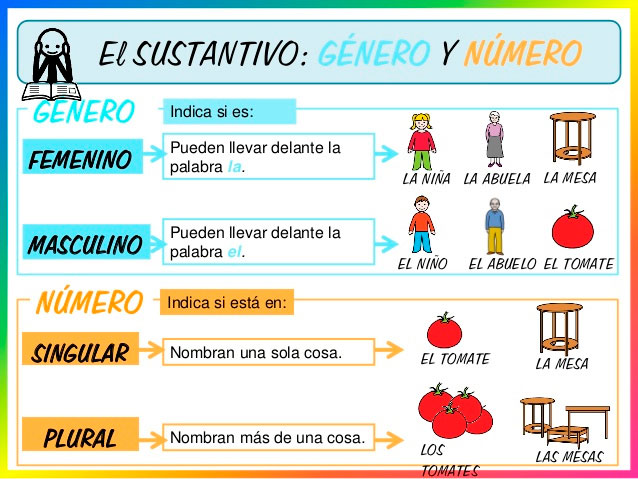
In Spanish, nouns possess two fundamental grammatical categories: gender (masculine/feminine) and number (singular/plural). Mastery of these concepts is essential for grammatical accuracy, as they govern article and adjective agreement, verb conjugation, and sentence structure. This report examines the rules, exceptions, …

The Spanish language thrives on creativity and nuance, particularly when it comes to expressing refusal. While the word “no” serves as the most direct negation, Spanish speakers often employ vivid idiomatic expressions to convey rejection with cultural flair. This article …

For foreign students who are learning Spanish, knowing how to use verbs in the present tense is a crucial aspect of everyday communication.

The past perfect tense in Spanish, known as pretérito pluscuamperfecto, is a compound tense used to describe actions that occurred before another past action. Formation of the Spanish Past Perfect The Spanish past perfect is formed with the imperfect of …

In an intensive Spanish course, each day you learn new words that expand your vocabulary, and your ability to express yourself in different ways grows over time. At beginner levels, one of the first things you learn is basic courtesy: …

Let’s learn how to ask for things in Spanish. Spanish has some very simple structures for making requests: Tú (informal) Usted (formal) More formal ¿Me podrías (verbo infinitivo)…? ¿Me podría (verbo infinitivo)…? Neutral ¿Me puedes (verbo infinitivo)…? ¿Me puede (verbo …

🕒 How to Tell the Time in Spanish 1. Asking for the time To ask the time in Spanish, use: ¿Qué hora es? (What time is it?) 2. Answering the time The structure is: “Son las + hour + y/menos …

We’ll dive into the world of preterite irregular verbs in Spanish, exploring their patterns, exceptions, and providing valuable insights to help you navigate this essential aspect of the language.
This comprehensive guide explores the rich variety of affirmative expressions in Spanish, drawing from multiple educational sources that demonstrate how Spanish speakers can express agreement, acceptance, and confirmation without using the simple word “sí.” The diversity of these expressions …

Everything You Need to Know About Spanish Prepositions (Up to B1) This guide gathers the core Spanish prepositions you need up to the B1 level. You’ll see what they mean, how they work in real sentences, and which verbs commonly …
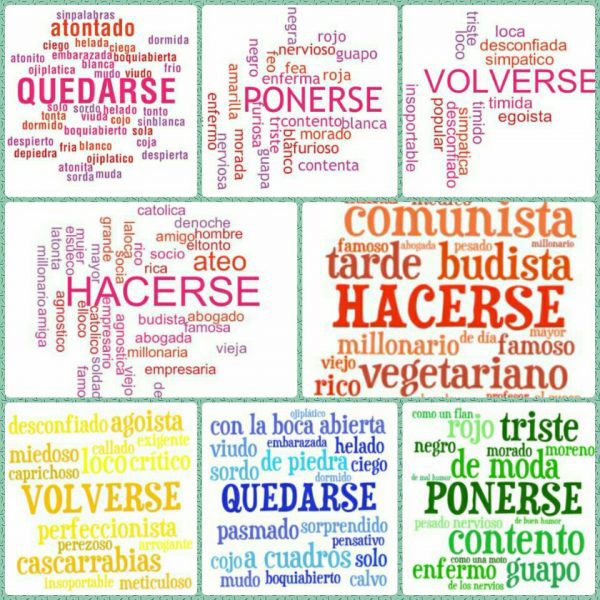
Verbs of change (verbos de cambio) are those that express voluntary or involuntary changes (physical appearance, character, profession, ideology, mood, etc.) that affect temporarily or permanently. Unlike other languages, in Spanish there is a series of verbs that we can …

As we have studied in class, the verb gustar is used to express that something is pleasant or enjoyable to us. This verb follows a unique grammatical structure in Spanish that differs significantly from its English equivalent “to like.” Grammatical …

Quien tiene un amigo, tiene un tesoro (Whoever has a friend has a treasure!) This Spanish saying is about friendship. It tells us that when we have a good friend by our side, the value of that friendship is equivalent …

Watch Out for False Friends in Spanish! When learning a new language, we must be careful with false friends. These are words that look or sound very similar to words in our native language, which leads us to wrongly believe …

Who doesn’t love a good surprise? Especially when it’s a pleasant one. When we’re given unexpected news, our facial expressions change: our eyebrows lift, our eyes open wider, and, above all, we often struggle to find the right words. Precisely …

As you may know, Spanish is a language spoken by more than 580 million people, including both native speakers and those who speak it as a foreign language. Spanish is the second most spoken language in the world by number …

To ask about a person’s nationality or origin, we use these expressions in Spanish: ¿De dónde eres? (Where are you from?) ¿De qué país/ciudad/región eres? (Which country/city/region are you from?) ¿Cuál es tu nacionalidad? (What is your nationality?) We can …
Every day we talk with people—friends, teachers, classmates, or colleagues. Communication is very important, especially in those moments when we share important conversations. When we give our opinion, we share a part of ourselves; it’s an opportunity to change, improve, …

Did you know that there are a number of words that are spelled the same in Spanish and English? Sometimes they have the same meaning and sometimes they don’t, but the word appears in both dictionaries. However, be careful, because …
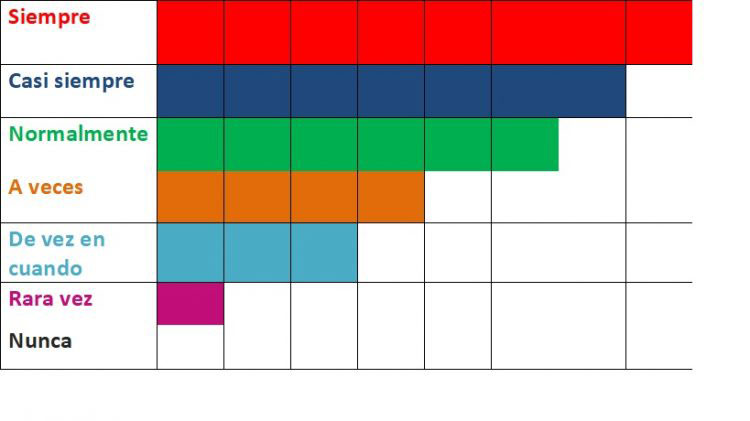
Spanish frequency markers provide nuanced ways to describe habitual actions, ranging from absolute certainty to complete negation. This guide explores the complete spectrum of these expressions, their grammatical applications, and cultural significance in everyday communication. Understanding Spanish Frequency Adverbs and …
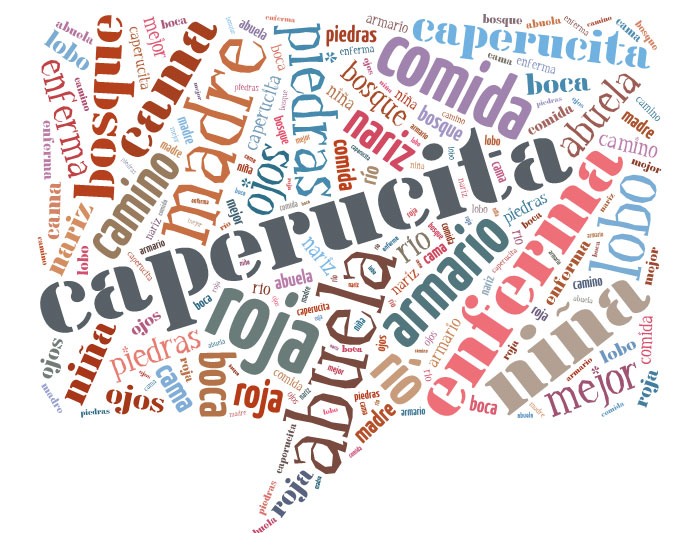
In Spanish, nouns possess grammatical gender (masculine or feminine) and number (singular or plural). When using these nouns, we typically pair them with definite articles that match their gender and number. These articles—el, la, los, las—are fundamental for precise communication. …

Proverbs not only help us transmit wisdom or knowledge from a particular culture, but they also help this learned wisdom reach many more people. Although we don’t know who created all the proverbs, thanks to their short length and frequent …
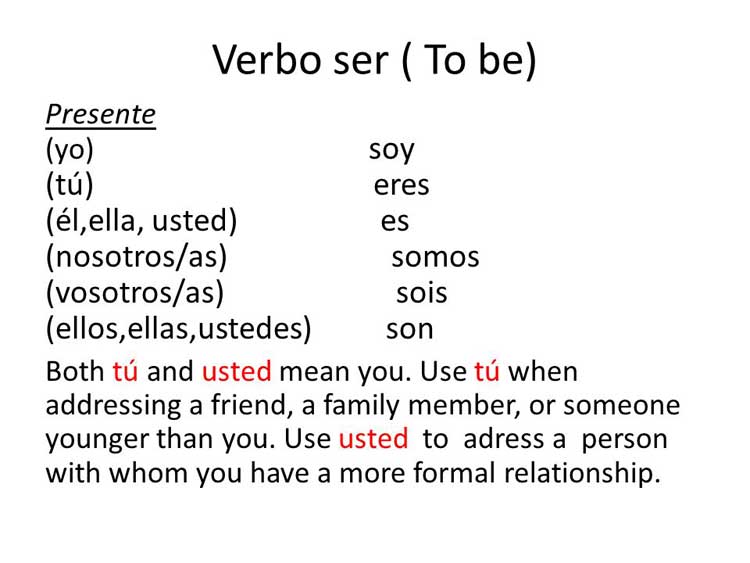
The verb ser is used in Spanish for several important functions: a) To identify: Este es mi hermano y esta es mi madre. (This is my brother and this is my mother.) b) To state nationality: Astrid es alemana. (Astrid …

Si estudio mucho español, llegaré a dominarlo 🙂 (If I study a lot of Spanish, I will come to master it 🙂) We are going to work on conditional sentences with the present indicative. Here is a chart to help …

The choice between “tú” and “usted” depends on many factors: age, hierarchy, trust… notice that the forms usted and ustedes always use the 3rd person singular and plural respectively. In this post you will find the difference in conjugations depending …

With verbs used to express opinion such as believe, think, and seem + characteristic, there are times when we need to use the subjunctive and others when the indicative is required. It’s not as complicated as it seems; with this …

The languages spoken around the world are rich in all their elements – from nouns to interjections. While we can learn much from each individual element, we gain even more when these elements combine. Sayings (refranes) represent a fantastic demonstration …

Talking about professions in Spanish Learning how to ask and answer questions about professions is essential in Spanish. There are several natural ways to ask someone about their job. The expressions below stay in Spanish across translations. Ways to ask …
