Every year, many students from the United States choose to learn Spanish to improve their career opportunities, travel through Spanish-speaking countries, or take part in a study abroad experience in Spain.
At Inhispania, a Spanish language school in Madrid founded in 2002 and accredited by the Instituto Cervantes, we welcome students from American universities, study abroad programs, and independent learners who want to learn Spanish in Spain through a dynamic and immersive experience.
On this page, we have gathered Spanish learning resources specially selected for students from the United States. These materials are designed to support Spanish classes, help students practice independently, and provide cultural insights that make learning the language more meaningful.
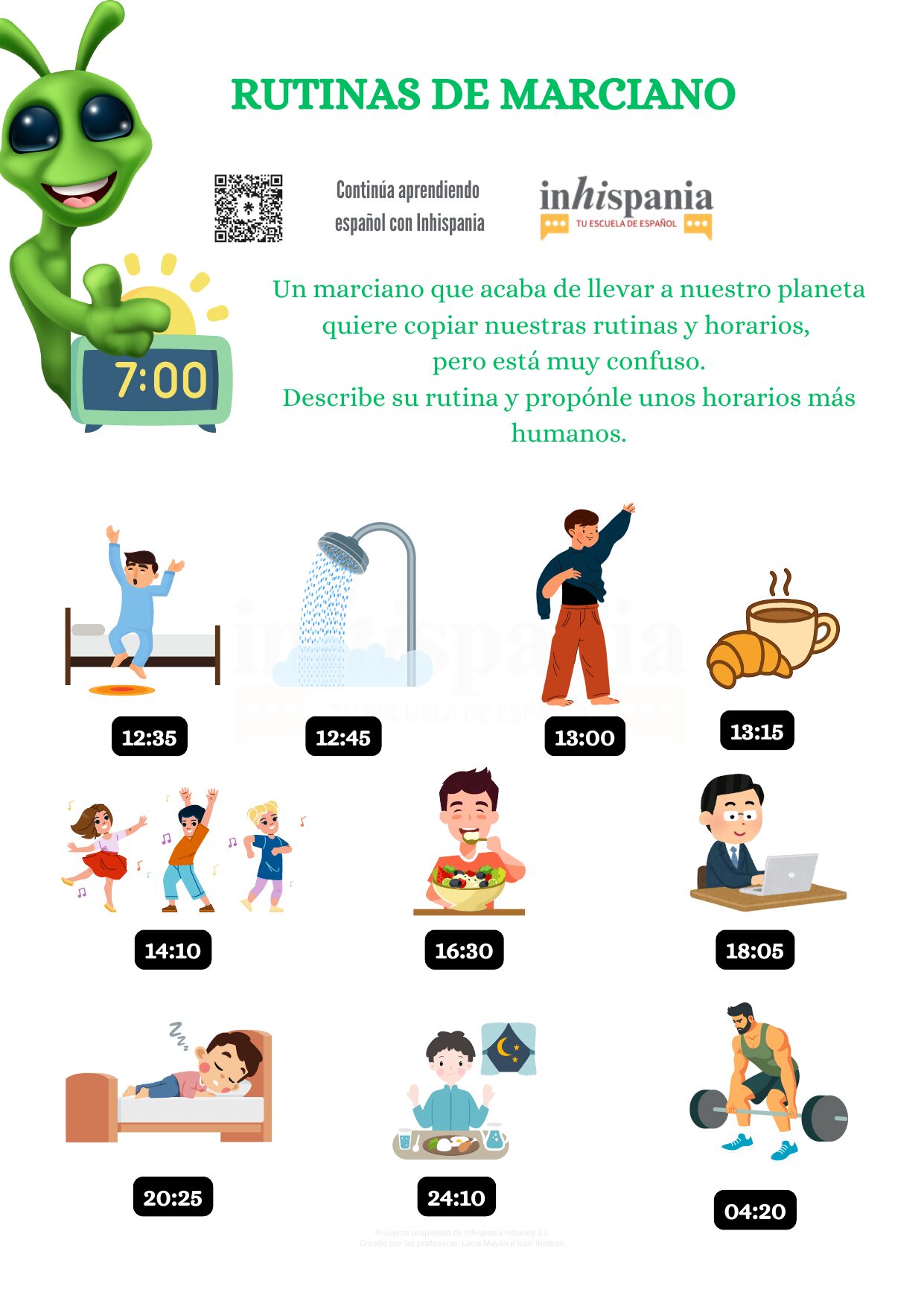
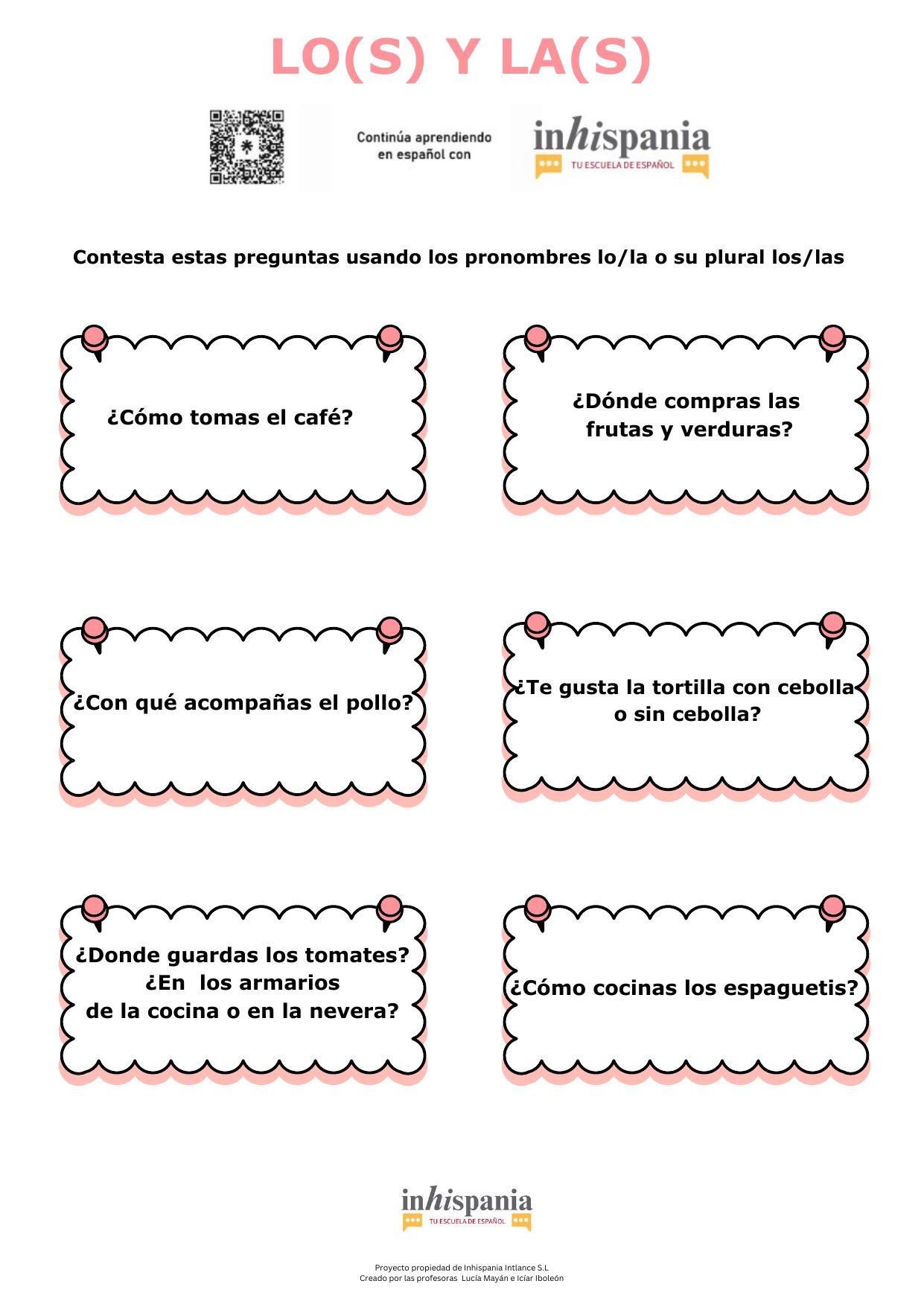
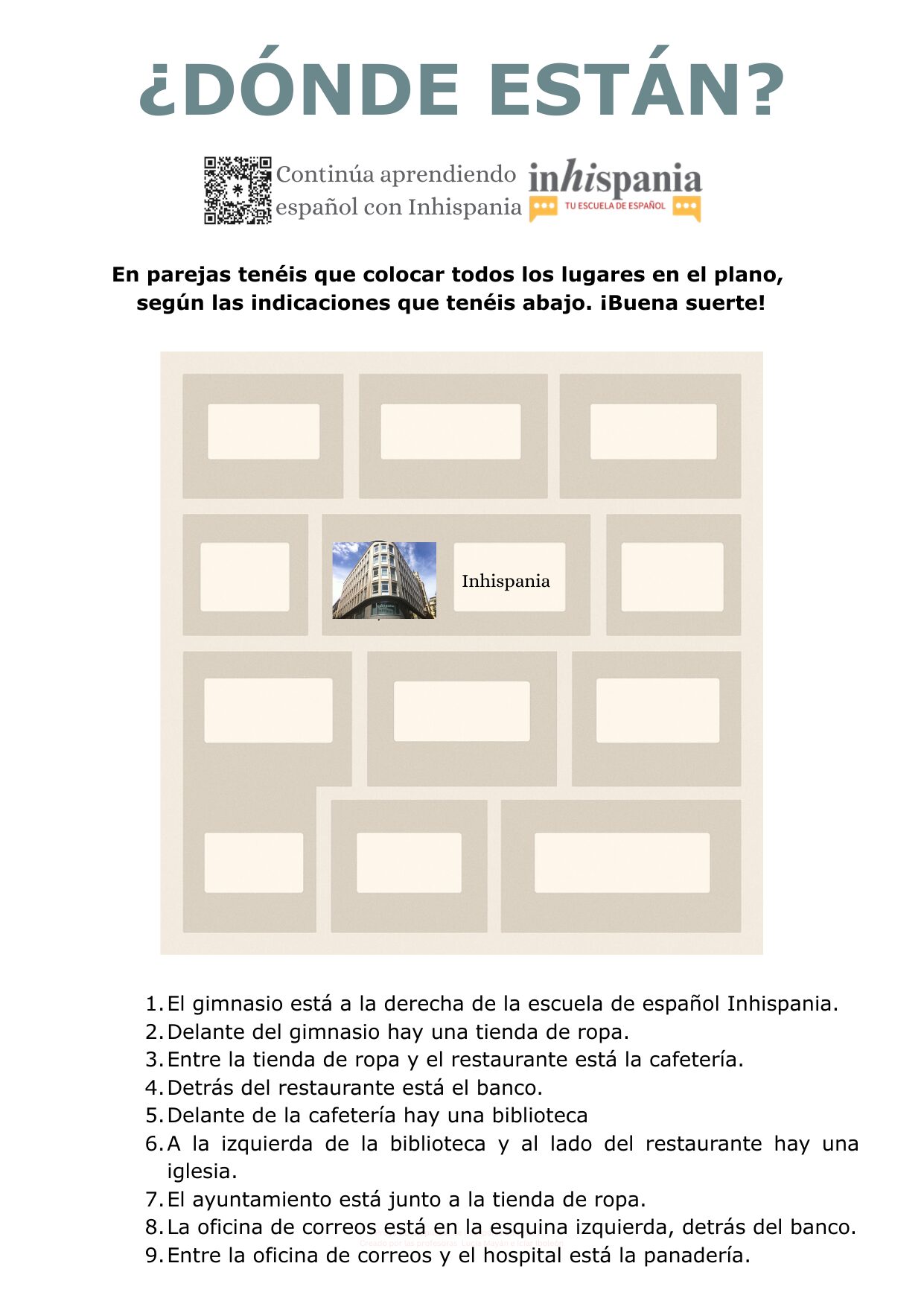
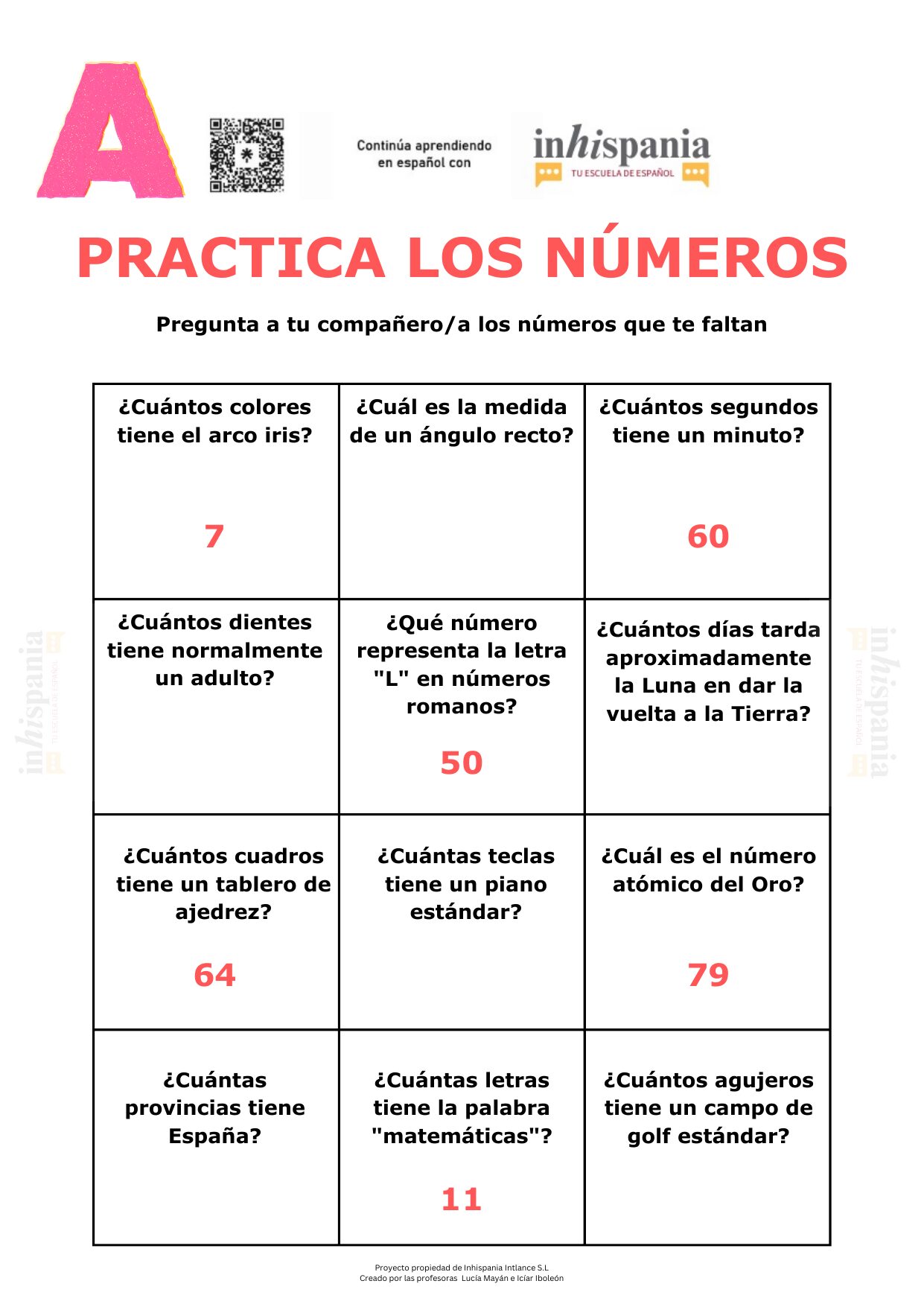
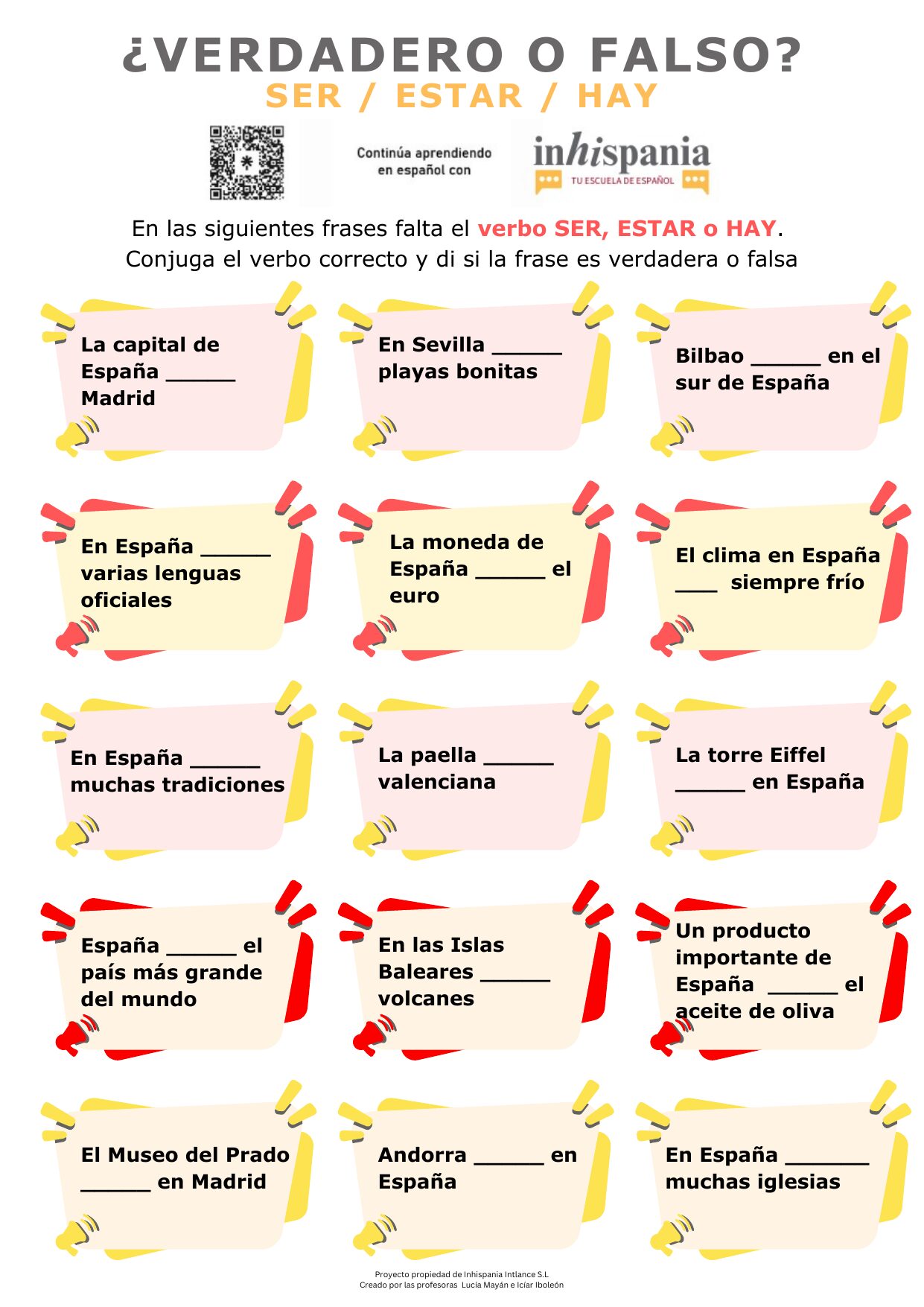
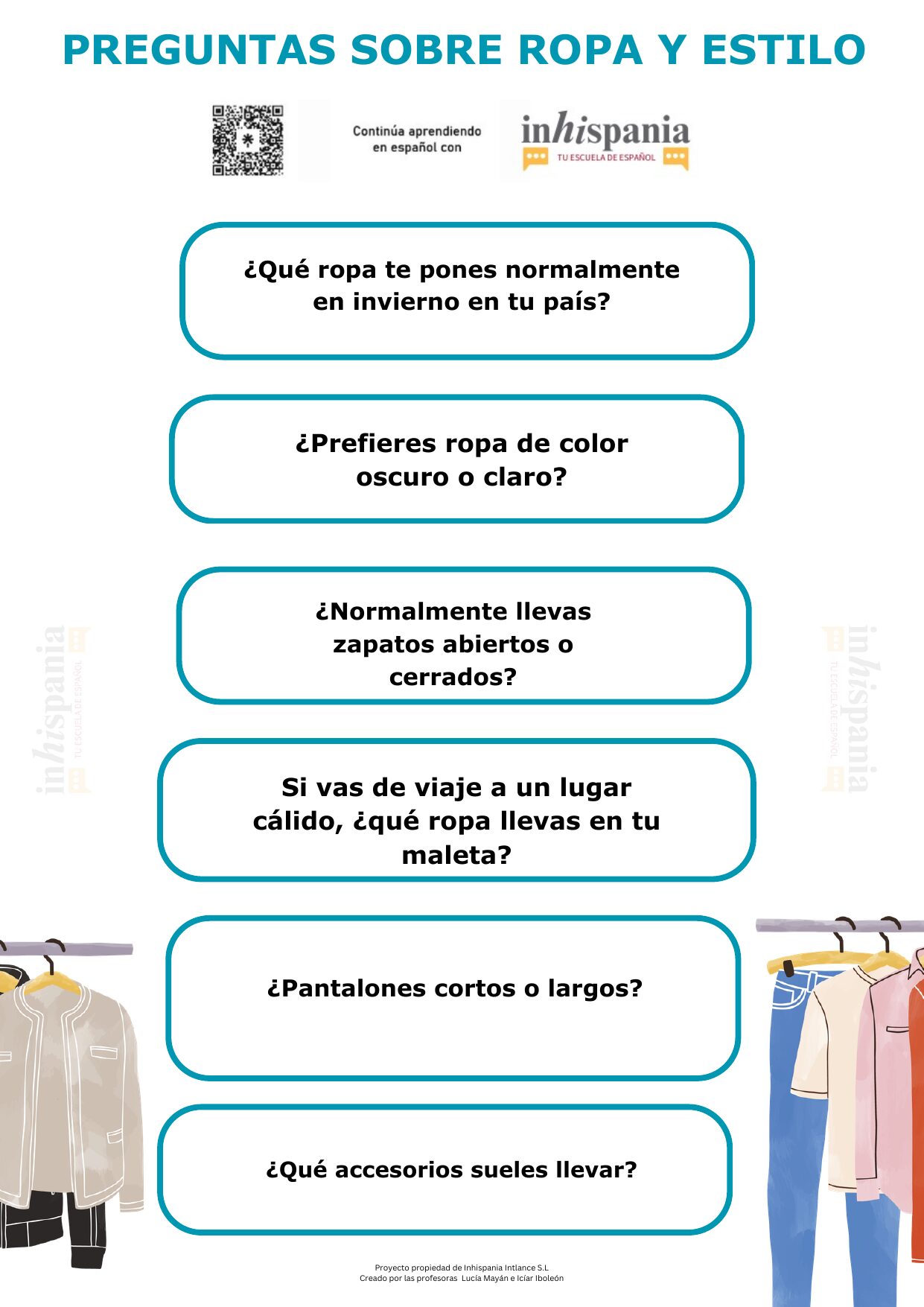
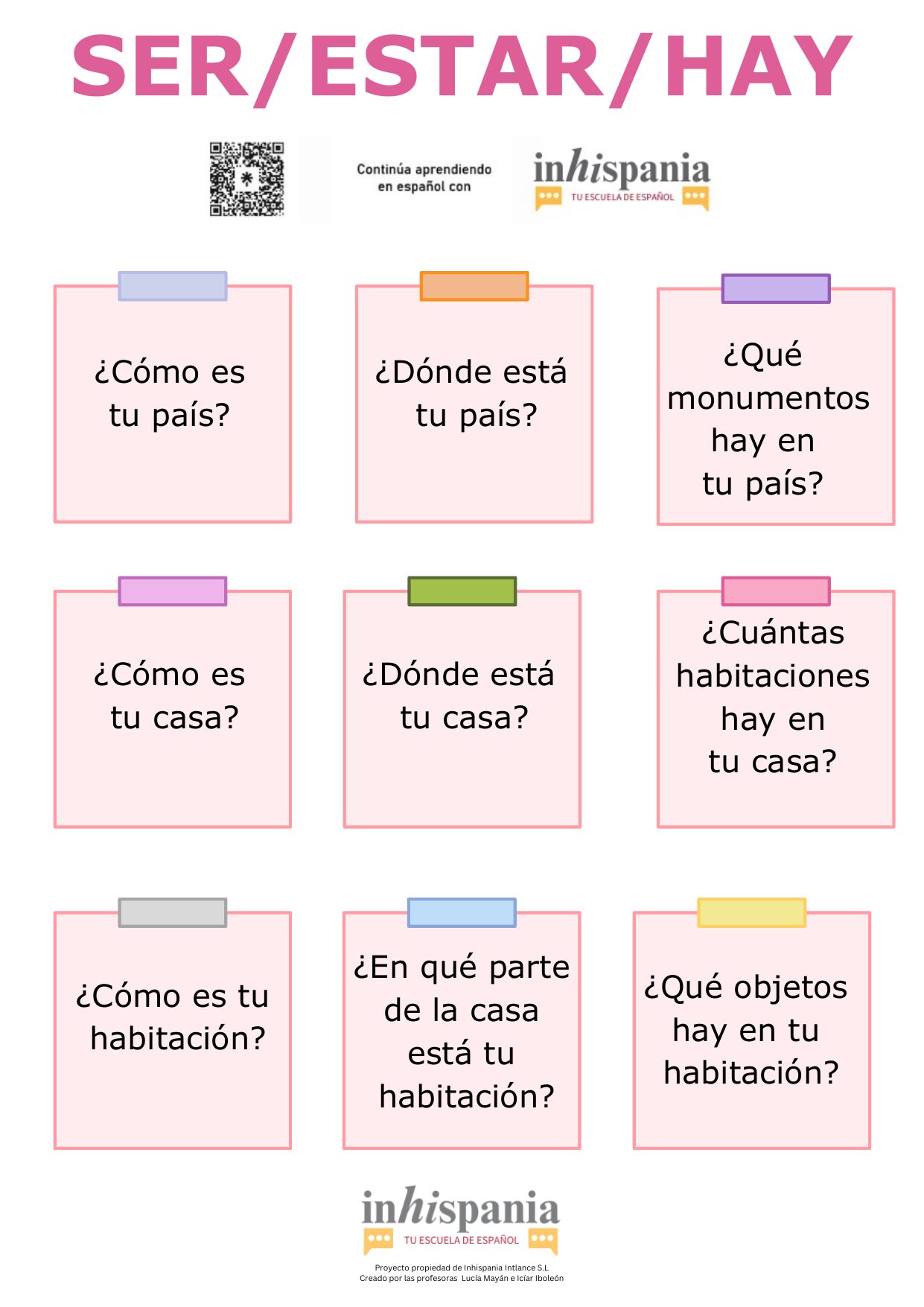
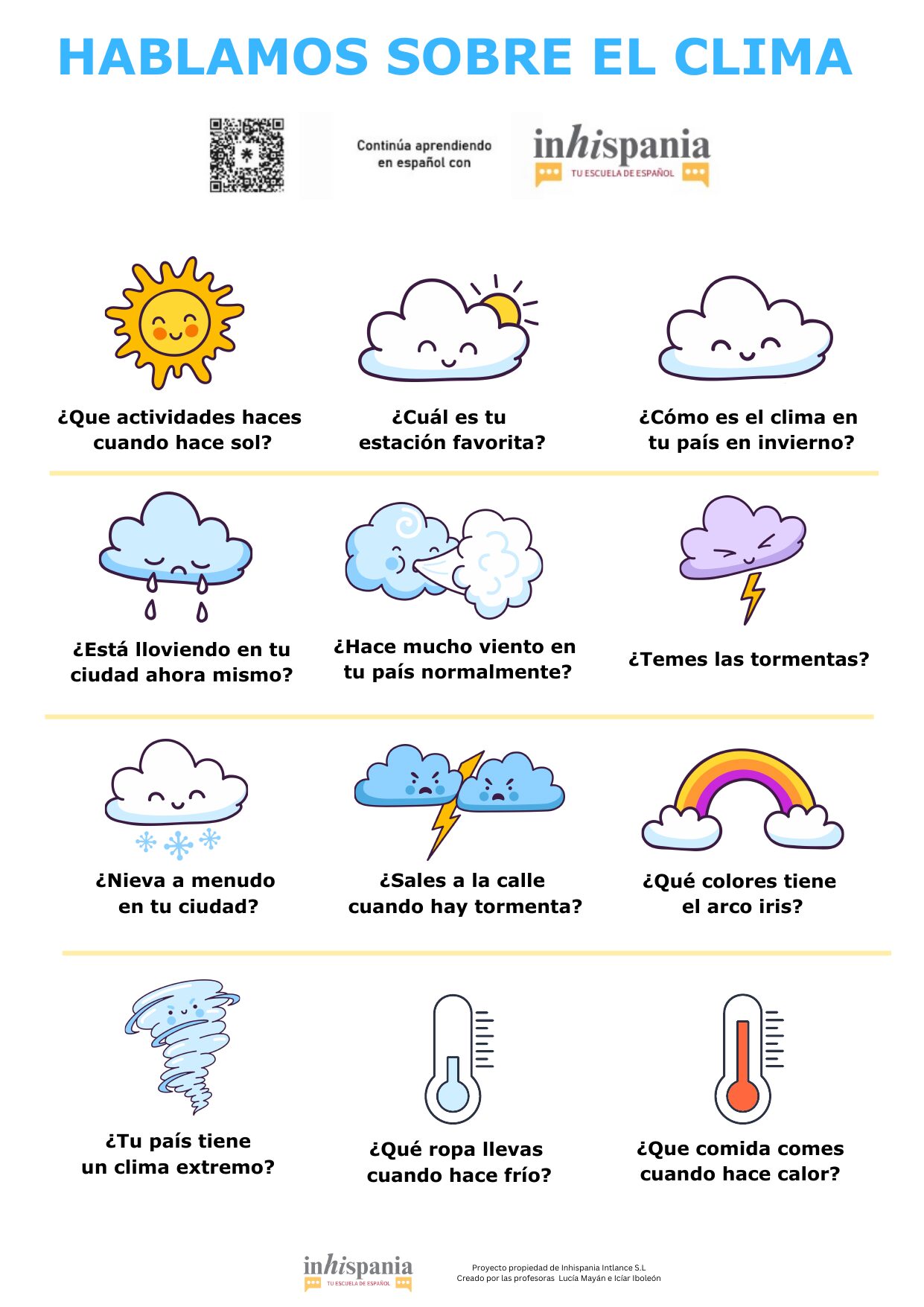
Here you will find videos about Spanish language and culture along with visual learning materials and educational visual learning activities that can be used both in the classroom and for self-study.
Understanding the Learning Levels
You may notice that Spanish proficiency levels are sometimes described differently depending on the country or educational system. In Europe, language schools and educational institutions commonly use the CEFR scale (A1–C2), while in the United States many institutions use the ACTFL proficiency guidelines or organize courses as Spanish 1, Spanish 2, Spanish 3, etc.
The table below provides a rough comparison between these systems to help US students and educators identify resources that may be appropriate for their general proficiency level.
CEFR Level
Common Name
Approximate ACTFL Reference*
Common US Course Reference
A1
Beginner
Novice High
Spanish 1
A2
Elementary
Intermediate Low
Spanish 2
B1
Intermediate
Intermediate Mid – Intermediate High
Spanish 3
B2
Upper Intermediate
Advanced Low – Advanced Mid
Spanish 4 / AP Spanish Language and Culture
C1
Advanced
Advanced High
Advanced / Upper-Division College Spanish
C2
Proficiency / Mastery
Superior
No standard US course equivalent
* ACTFL references are approximate and are based primarily on productive skills (speaking and writing).
Note: CEFR, ACTFL proficiency levels, and US course sequences are based on different frameworks and are not directly equivalent. These comparisons are intended only as a general guide to help students and educators select resources appropriate for their proficiency level. Individual courses and programs may vary.
Spanish Visual Learning Activities by Level
The following Spanish visual learning activities are organized by levels according to the Common European Framework of Reference for Languages (CEFR).
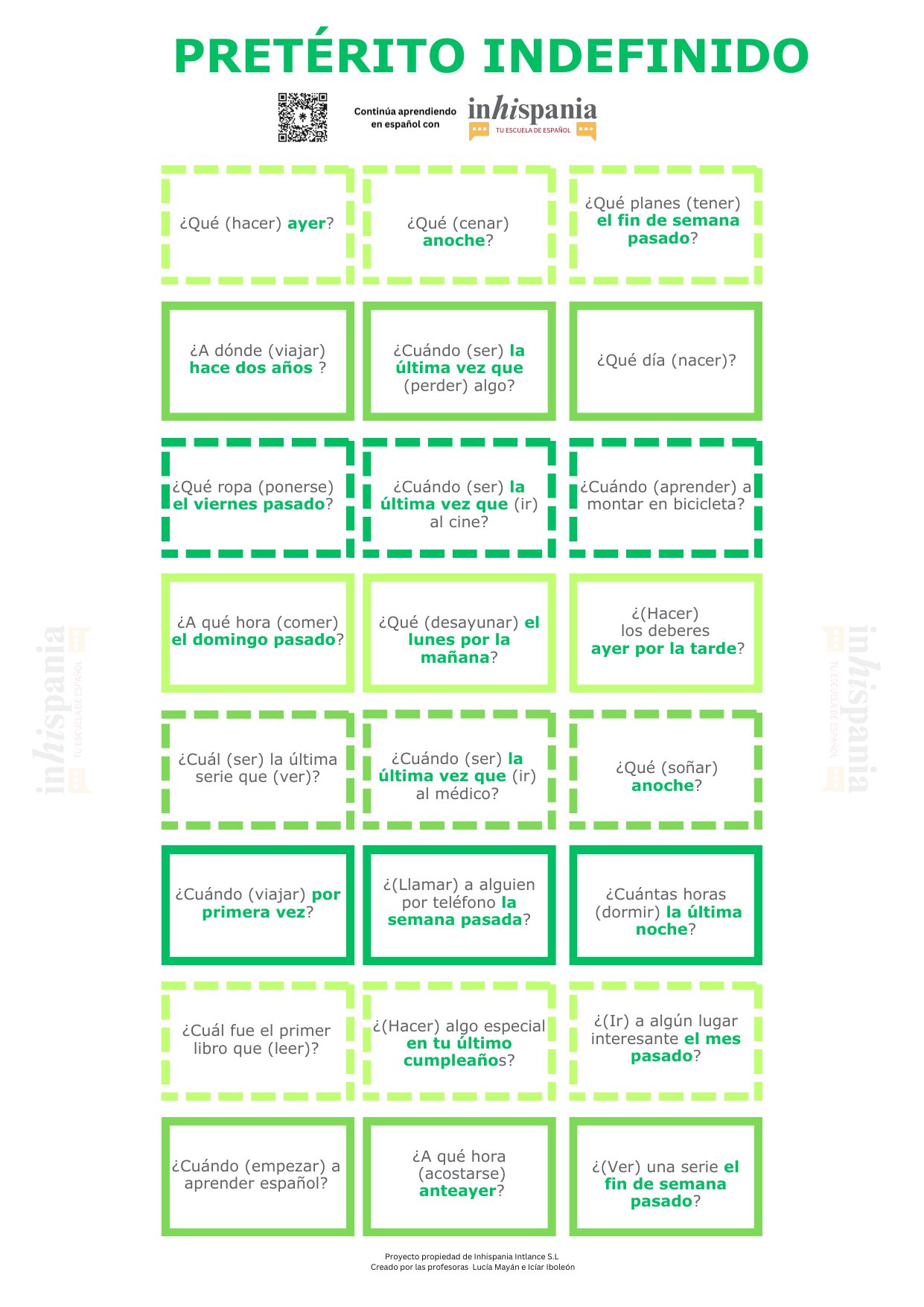
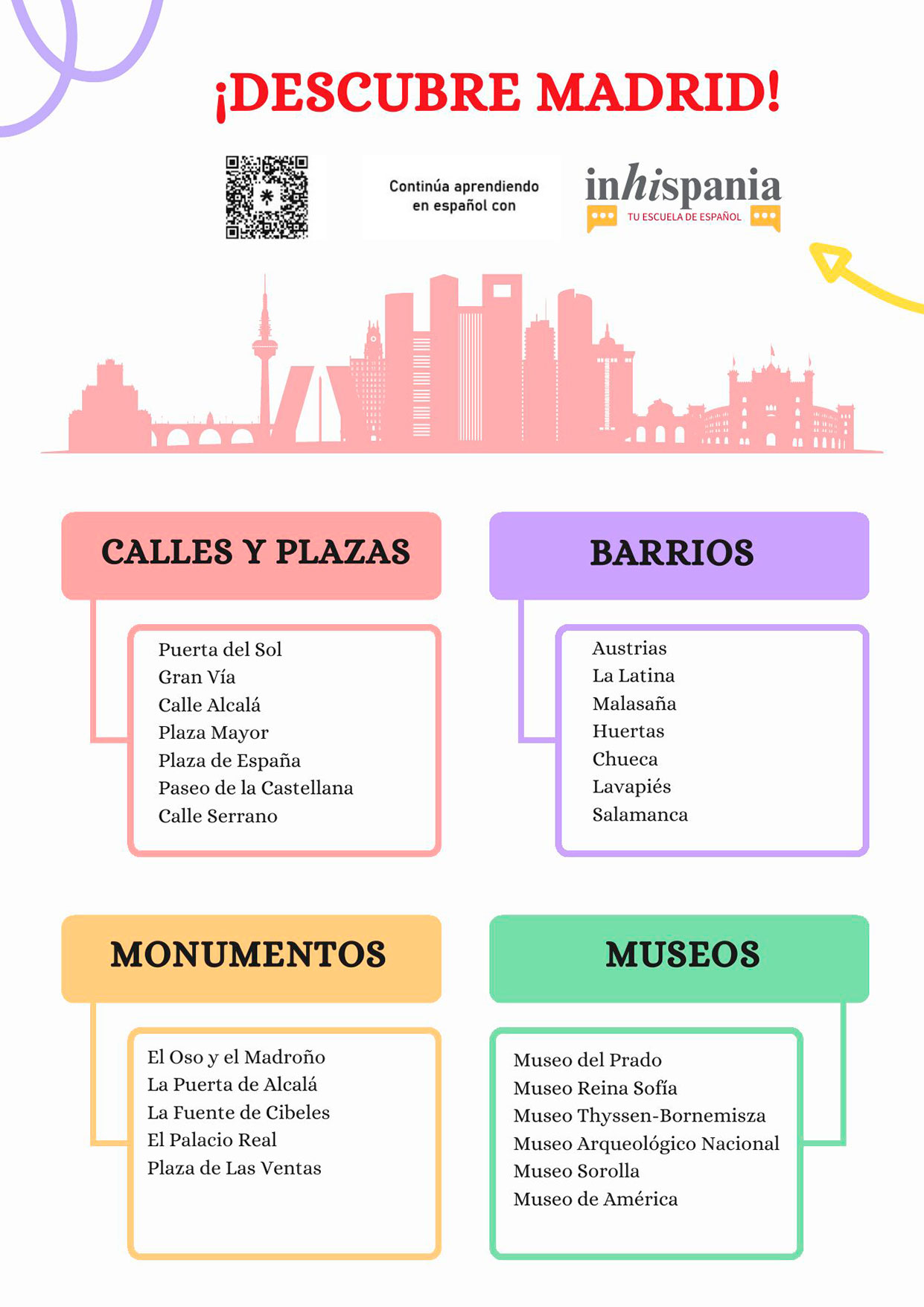
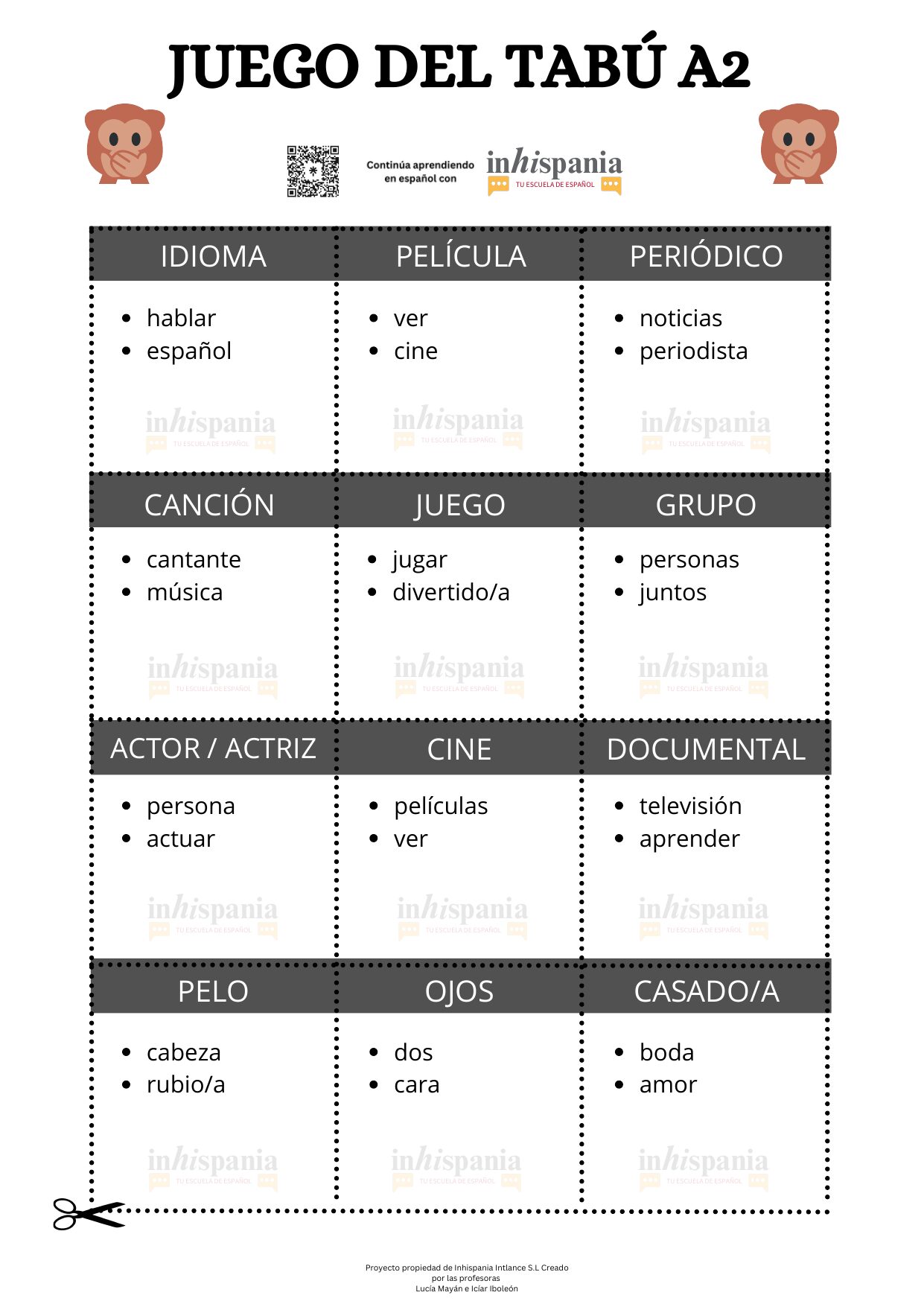
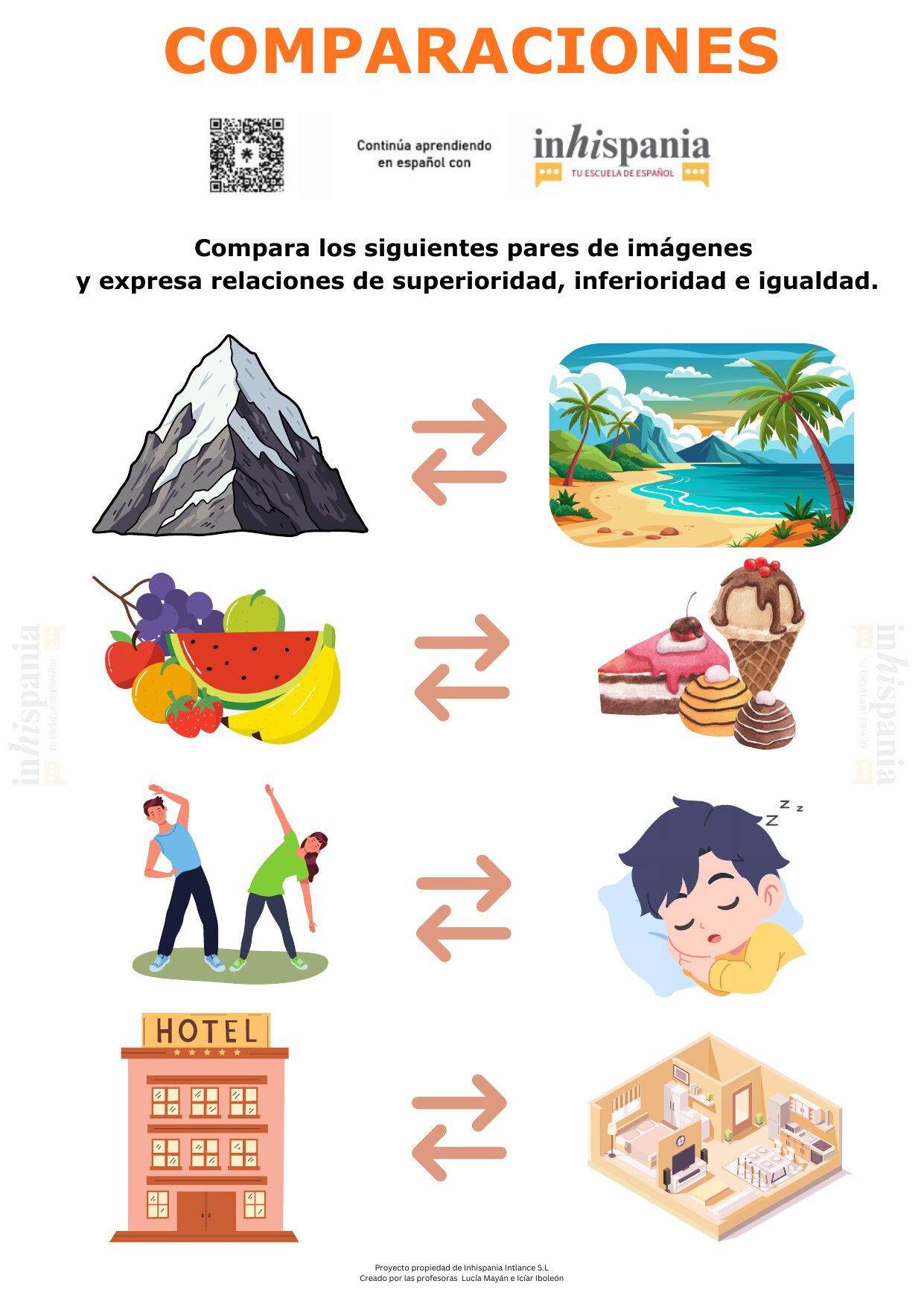
These visual materials help students understand vocabulary, grammar, and everyday communication more easily. They are particularly useful for American students learning Spanish as a foreign language, as they combine clear explanations with practical examples.
How to use these visual learning activities
These visual learning activities are designed to help students practice Spanish through real-life situations. They can be used in the classroom to introduce new vocabulary, practice speaking, or start conversations about everyday topics. Teachers can use them for role-plays, discussions, or grammar practice, while students can use them to review expressions and gain confidence communicating in Spanish.
Level A1
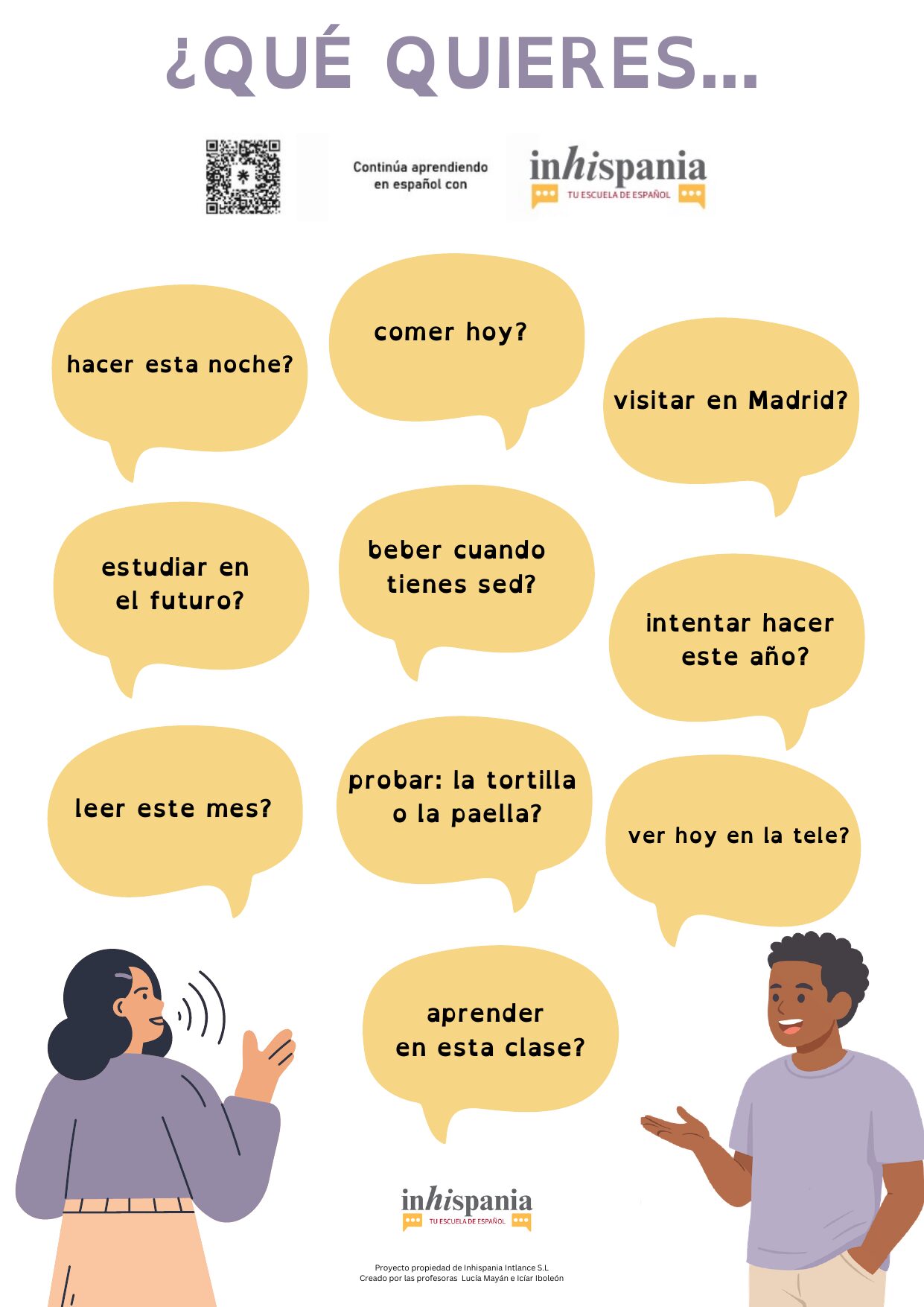
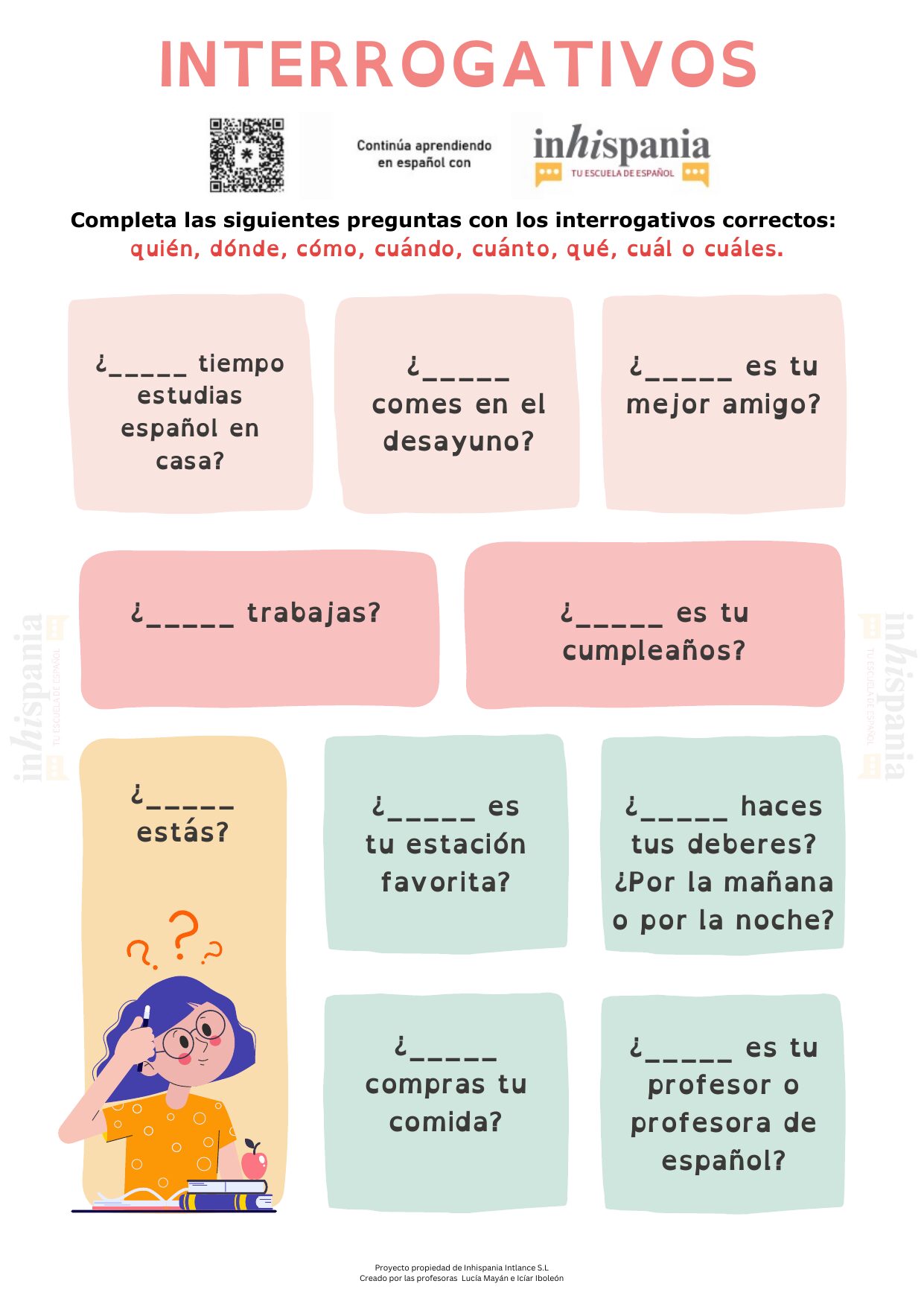
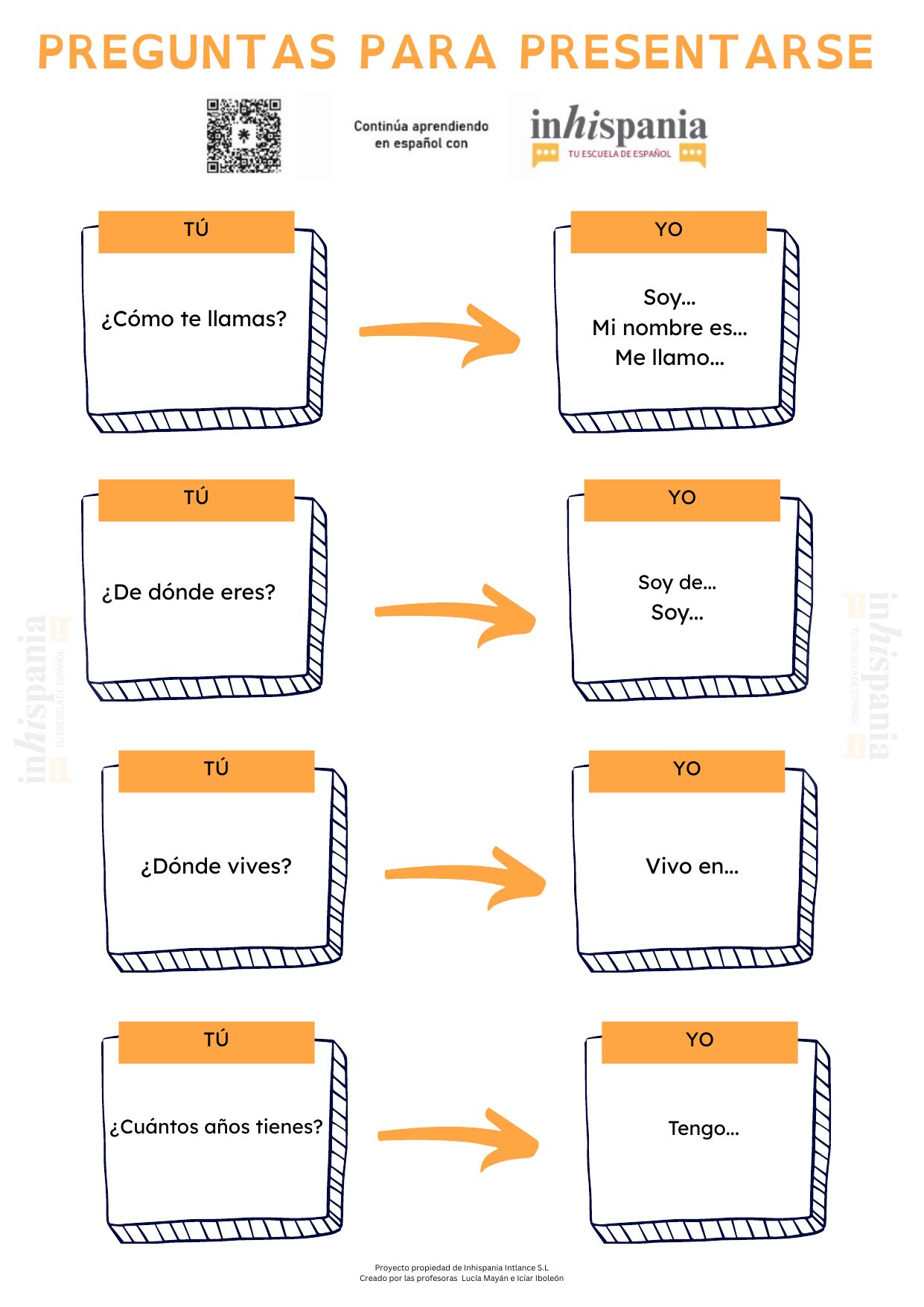
These materials help students build a basic foundation in Spanish and gain confidence using simple sentences. Students will learn to talk about themselves, their routines, preferences, surroundings, and familiar everyday topics.
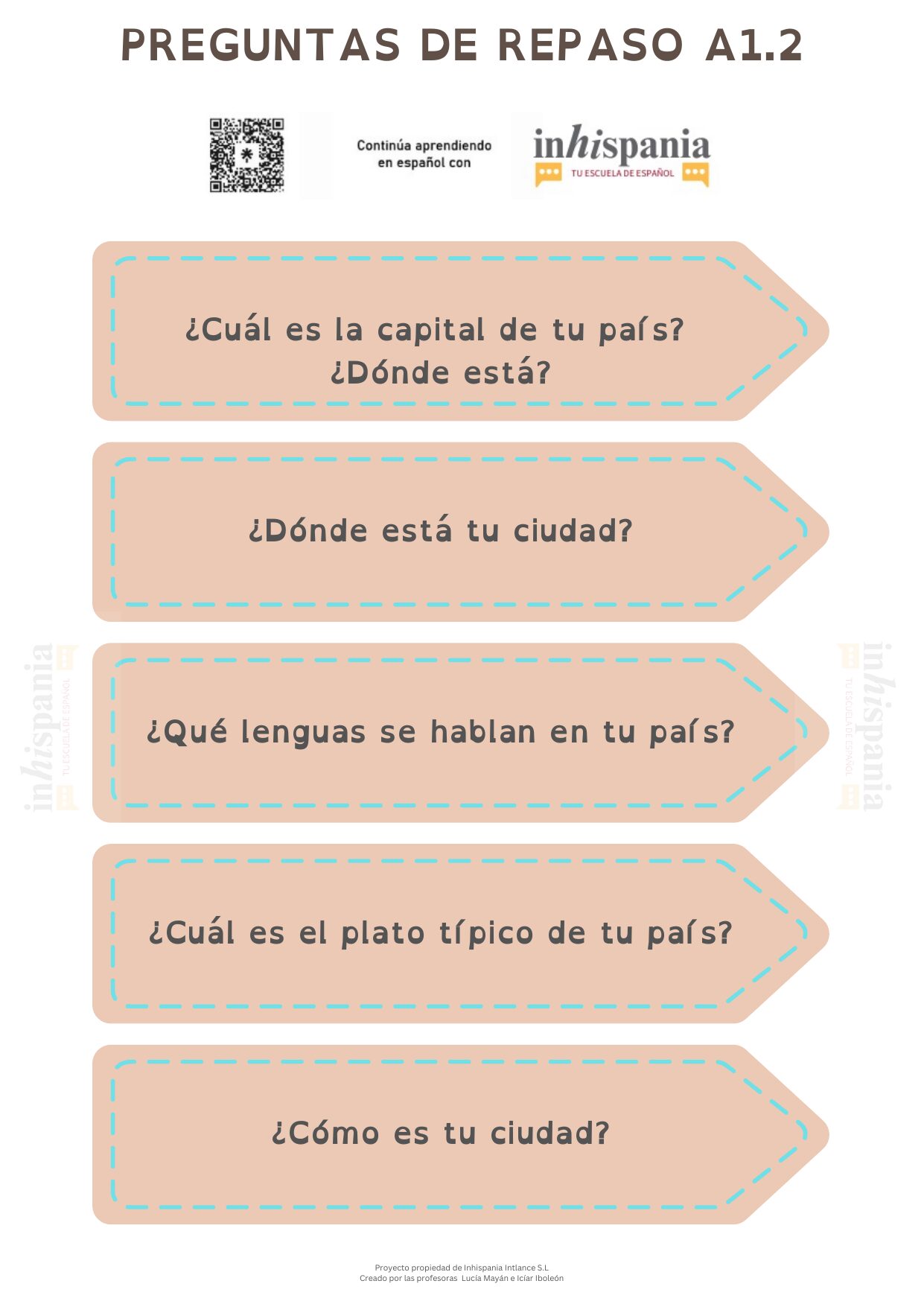
These materials help students expand their vocabulary and strengthen the basic grammatical structures needed to communicate in Spanish. Students will learn to talk about daily life, past experiences, personal preferences, and common situations they may encounter in everyday communication.
These materials help students become more independent and flexible when communicating in Spanish. Students will learn to describe experiences, express opinions, explain ideas, tell stories, and interact in a wider range of everyday and cultural situations.
AVAILABLE SOON
Level B2
These materials help students communicate with greater fluency, precision, and spontaneity. Students will develop the language needed to discuss more complex topics, express and support opinions, understand different perspectives, and participate confidently in extended conversations.
AVAILABLE SOON
Level C1
These materials help students use Spanish flexibly and effectively for academic, professional, and social purposes, understanding demanding texts and expressing ideas fluently and spontaneously.
AVAILABLE SOON
Level C2
These materials help students master Spanish at a near-native level, understanding virtually everything they read or hear and expressing themselves with precision in complex situations.
AVAILABLE SOON
Short Videos to Learn Spanish
In addition to visual learning activities, this page also includes educational videos for learning Spanish, designed to improve listening comprehension and introduce important aspects of Spanish culture.
These videos are particularly useful for American students learning Spanish, as they help bridge linguistic and cultural differences.
How to use these videos
These short videos help students improve their Spanish listening skills while learning about everyday language and culture. Teachers may use them to start conversations or listening tasks, and students can watch them independently to reinforce what they learn in class.
Everyday Vocabulary
Spanish is full of expressions that cannot be translated literally. In this section you will find videos that explain everyday expressions, with practical examples showing how they are used in real conversations.
Formas de saludar en español (A1)
Formas de saludar y despedirse (A1)
Formas de decir “gracias” (A1–C1)
Formas de pedir un café (A1–B2)
Formas de pedir en un restaurante (A2)
Conectores de discurso (A2 vs B2)
5 formas de decir “become” (B1)
Spanish Grammar Explained
Clear video explanations of key Spanish grammar points, with practical examples that make them easier to understand and apply in real communication.
Verbo ser – Presente (A1)
Eliminación del pronombre sujeto: yo voy = voy (A1)
“Me gusta / me gustan” (A1–A2)
Preposiciones de lugar (A1–A2)
Verbos traer y llevar – Conjugaciones en presente (A2)
Verbos traer y llevar – Usos (A2)
Explicación por y para (A2–B1)
Explicación por y para (B1–B2)
Quiero que / Creo que + Subjuntivo (B1-B2)
Cultural Differences Between Spain and the United States
Short videos that explore cultural contrasts between Spain and the United States through the experiences of US students.
Caminar despacio
Perros en tiendas y restaurantes
Dos besos
El bidé
Ritmo de vida y sentido de comunidad
Cenar tarde
Horarios de comidas
Ready to learn Spanish in Madrid?
Have questions about our courses or these resources? Our team is here to help you plan your Spanish learning experience in Spain.